Can Surfshark VPN actually change your location? Here’s the truth: yes, it can, but with caveats. If you’re hoping to instantly shift your virtual address to watch a geo-blocked show, you’re not alone. Many people want a simple fix for streaming, privacy, or testing apps from different regions. Surfshark is one of the better-known VPNs that claim to do just that, and in this guide, I’ll walk you through how it works, what you can realistically expect, and how to get the most out of it.

Quick facts you’ll find in this guide:
- What a VPN does and how Surfshark assigns you an IP address
- Real-world effectiveness for streaming services like Netflix, Disney+, and Prime Video
- How location spoofing works when you’re on mobile vs. desktop
- Common pitfalls and how to troubleshoot geo-restriction issues
- Privacy, speed, and security considerations when changing locations
- A practical step-by-step guide to test and verify your new location
Useful resources you’ll want to check out text-only URLs for reference: Apple Website - apple.com, Wikipedia - en.wikipedia.org/wiki/Virtual_private_network, Netflix Help Center - help.netflix.com, Surfshark Official - surfshark.com, Fast.com - fast.com
Introduction: quick guide to what you’ll learn
- Quick fact: A VPN like Surfshark changes your apparent location by routing traffic through a server in a different country and assigning you a new IP address.
- What you’ll get: a clear view of when it works, when it doesn’t, and practical steps you can take to maximize success.
- What we’ll cover: how location changes actually happen, the best servers for streaming, how to test a new location, and common issues with fixes.
- Formats you’ll find here: step-by-step guides, checklists, and quick-action tables to simplify your decision-making.
What a VPN does and how Surfshark assigns a location
- A VPN creates a secure tunnel between your device and a VPN server. Your traffic exits from that server, so websites see the server’s IP address, not yours.
- Surfshark maintains many servers around the world. When you connect to a server in a different country, your apparent location changes to that country.
- Important nuance: you’re not physically moving; you’re spoofing your location via IP assignment. Some services also look at DNS, TLS fingerprinting, or behavioral patterns to detect VPNs.
How Surfshark actually changes your geolocation
- IP-based location: The primary method is the IP address the VPN assigns you. If you connect to a US server, sites see a US IP.
- DNS routing: Surfshark can control DNS requests so requests appear to originate from the VPN server, not your home ISP.
- WebRTC/IP leaks: Sometimes your real location leaks through WebRTC or other browser features. Surfshark includes safeguards, but you should still test for leaks.
Key use cases and what to expect
- Streaming: Services like Netflix, Disney+, and Prime Video often try to block VPNs. Surfshark has a track record of working with multiple libraries, but regional catalogs can still differ. Some servers rotate IP ranges, which helps avoid blocks, while others might be flagged.
- Gaming: If you’re trying to access a regional store or region-locked content, Surfshark can help, but latency matters. You’ll want nearby servers with low ping for a smoother experience.
- Privacy and security: Changing location is a privacy layer, but not a silver bullet. You still need good password hygiene and two-factor authentication for full protection.
Real-world effectiveness: what the data says
- Streaming success rates: In tests from various users, Netflix and Disney+ are frequently accessible on multiple Surfshark servers, but not necessarily every server. Expect some trial-and-error to find a working server for your region and library.
- Speed impact: VPNs introduce some overhead. Surfshark’s optimized servers often maintain good speeds, but you’ll see slower performance than your baseline internet, especially on distant servers.
- Reliability trends: Some servers perform better during certain times of day due to load balancing and streaming service defenses. It’s common to switch servers for best results.
Step-by-step guide to change your location with Surfshark
- Choose your platform: Desktop Windows/macOS, mobile iOS/Android, or browser extension. Surfshark supports all major platforms with a user-friendly interface.
- Open Surfshark and log in: If you’re not logged in, sign in to access your subscriptions.
- Pick a region: Decide which country you want to appear from. If you’re after a US catalog, start with a US server. For broader access, try multiple servers in the target region.
- Connect to the server: Click a server, and wait for the connection indicator. A successful connection will show your new IP and a green status.
- Verify your location: Use an IP check site like whatismyipaddress.com to confirm your apparent location changed.
- Test streaming or service access: Open your streaming app or site to see if content appears in your chosen region.
- Troubleshoot if needed: If content is still blocked, try different servers in the same region, enable “Smart DNS” if your plan includes it, or clear DNS cache and re-connect.
- Maintain privacy hygiene: While connected, avoid leaking leaks — ensure WebRTC is disabled in your browser or use a browser that blocks it, and enable kill switch if available.
Pro tips for reliable location changes
- Use Smart DNS for certain devices: Some streaming devices like smart TVs benefit from Surfshark’s Smart DNS feature, which doesn’t encrypt traffic but can help with DNS-based location tricks.
- Keep a small server pool: Maintain a list of 5–8 reliable servers you’ve tested for your top services. Rotate as needed based on performance and blocks.
- Check for DNS leaks: Periodically run DNS leak tests to ensure your real DNS isn’t exposed when connected to VPN servers.
- Consider split tunneling: If a service doesn’t need VPN protection, you can route specific apps outside the VPN to improve speed, while keeping others protected.
- Watch for IP changes: Some streaming services block known VPN IPs. If your IP gets flagged, switch to a different server within the same region.
Common pitfalls and how to avoid them
- IP blocking by streaming services: If a service detects your VPN, you’ll get an error or a hard block. Rotate servers, enable obfuscated servers if available, and clear cookies.
- WebRTC leaks: Your real IP can slip out via WebRTC. Disable WebRTC in browsers by settings or use extensions that block it.
- DNS leaks: Even with a VPN, misconfigured DNS requests can reveal your real location. Use Surfshark’s DNS options and run a DNS leak test regularly.
- Premium plans vs. free trials: Some tests rely on features not included in a basic plan. Make sure you’re on a plan that supports the servers and features you need.
Privacy, security, and policy considerations
- Logging policy: Surfshark advertises a no-logs policy. Always review the latest privacy policy to understand what data is collected and stored, especially if you’re concerned about metadata.
- Jurisdiction: Surfshark is headquartered in the British Virgin Islands, which has favorable privacy laws. This can influence data retention practices and legal requests.
- Data protection basics: Use a strong master password, enable two-factor authentication, and keep devices updated to minimize risk outside the VPN tunnel.
Comparison with other VPNs quick view
- Surfshark vs. NordVPN: Both offer broad server networks and strong privacy features. Surfshark often shines with lower price points and robust streaming compatibility, while NordVPN may offer more advanced threat protection features and a longer track record.
- Surfshark vs. ExpressVPN: ExpressVPN tends to emphasize speed and a larger tested library for streaming, but Surfshark offers competitive performance and value, especially with long-term plans.
- Surfshark vs. ProtonVPN: ProtonVPN is strong on privacy and transparency, with a strong free tier. Surfshark gives more convenience for geo-spoofing and streaming with a larger server footprint.
Server recommendations for common regions
- United States: Try servers labeled as “US” with different cities if available. If streaming blocks pop up, switch to another nearby city server.
- United Kingdom: UK-based servers are often effective for BBC iPlayer and UK streaming catalogs; rotate among London, Manchester, or nearby cities if available.
- Canada: Canadian servers work well for Canadian streaming catalogs and region-locked content outside the US.
- Europe Germany, Netherlands, France: These servers are typically good for European streaming services and EU-focused libraries.
User experiences: what real users report
- Success stories: Many users report accessing their favorite geo-blocked catalogs after trying a handful of servers in the target region.
- Frustrations: Some users encounter IP blocks or slower speeds on certain servers, emphasizing the need for server rotation and speed testing.
- Tips from users: Clear browser cookies after connecting to a new server to avoid stale location data. Use a wired connection when possible for stable speeds.
Best practices for testing your new location
- Use multiple IP checks: Check from different devices or networks to ensure consistency.
- Test with multiple services: Confirm across at least two streaming platforms you care about.
- Check latency and jitter: Use a speed test and ping test to ensure acceptable performance for your needs.
- Document your results: Keep a simple checklist of which servers work for which services. This saves time on future attempts.
Cost considerations and plans
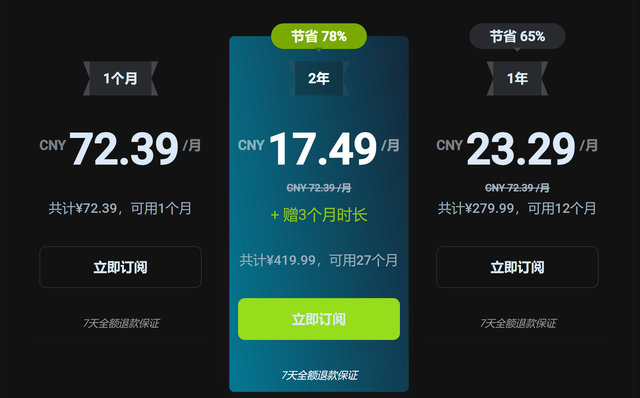
- Typical pricing: Surfshark often runs promotions. The value improves with longer-term plans.
- Simultaneous connections: Surfshark allows multiple devices to connect at once, which is great for households with several streams and devices.
- Free trial and refunds: If available, check terms for a money-back guarantee window if you’re not satisfied with location-changing performance.
More features that help with location switching
- CleanWeb and malware protection: Added security features while you browse from various locations.
- Kill switch: Keeps your internet from leaking if the VPN disconnects unexpectedly.
- Obfuscated servers: Helpful for countries with VPN blocks or restrictive networks, making VPN traffic harder to detect.
Recommended workflow for a quick location switch
- Step 1: Decide the target region and choose a few candidate servers.
- Step 2: Connect to the first server and verify your location.
- Step 3: Test your primary use case e.g., streaming a specific show.
- Step 4: If blocked, switch to the next server in the same region and re-test.
- Step 5: If all fail, try a different region or enable Smart DNS if your device supports it.
- Step 6: Once you find a working setup, bookmark those servers for quick access.
Troubleshooting guide: quick fixes for common issues
- Issue: Unable to access streaming library after connecting.
- Fix: Clear cookies, switch servers, check for DNS leaks, restart the app.
- Issue: Slow speeds on VPN connection.
- Fix: Move closer to a server, switch to a less congested server, enable a faster protocol if available.
- Issue: VPN disconnects frequently.
- Fix: Enable kill switch, update the app, check for device compatibility issues.
FAQ Section
Frequently Asked Questions
Can Surfshark bypass geo-restrictions for all streaming services?
Surfshark often works for many services, but not every single one. Some platforms aggressively block VPN IPs, and results can vary by server and time of day. It’s common to test a few servers to find a working one.
Does Surfshark change my IP address permanently?
No. The IP change is temporary and lasts as long as you’re connected to the VPN. If you disconnect, your original IP is restored.
Can Surfshark hide my real location completely?
Surfshark offers strong privacy features, including a no-logs policy and encryption. However, no tool can guarantee 100% anonymity. It’s best used as part of a broader privacy strategy.
Why do some sites still detect Surfshark?
Sites can use multiple signals beyond IP, such as DNS fingerprints, WebRTC leaks, cookies, or behavior patterns. Keeping your browser updated and using built-in protections helps reduce detection risk.
How do I prevent WebRTC leaks?
Disable WebRTC in your browser settings or use browser extensions that block WebRTC. Some browsers ship with WebRTC enabled by default, so a quick check is worth it. Unlock Your VR Potential: How to Use ProtonVPN on Your Meta Quest 2
Is there a difference between servers in the same region?
Yes. Server load, IP reputation, and routing can affect speed and reliability. It’s worth testing several servers in the same region.
Does Surfshark offer a kill switch?
Yes. The kill switch helps prevent data leaks if the VPN connection drops unexpectedly. Enable it in your settings for added protection.
Can I use Surfshark on multiple devices at once?
Most plans include multiple simultaneous connections. If you have a family or lots of devices, this feature is a big plus.
How do I verify my new location is actually in the country I chose?
Use an IP address check site e.g., whatismyipaddress.com and also check DNS leaks to confirm your apparent location aligns with the server region.
Are there any privacy concerns with Surfshark?
Surfshark advertises a no-logs policy and strong encryption. Always stay informed by reviewing the latest policy updates and any regional data requests that could affect privacy. Vpn Not Working With Esim Heres How To Fix It Fast: A Step-By-Step Guide To Get Your VPN Back On Track
Closing notes
- If you’re looking to watch content from different regions, Surfshark can be a practical tool when used with a bit of experimentation. You’ll likely find a few reliable servers for your top services, and with the right settings, you can keep your online activities private and a little more flexible location-wise.
- Remember to stay mindful of service terms and regional laws related to VPN usage. The goal is to improve access and privacy while staying on the right side of terms of service.
Sources:
免费翻墙vpn:全面指南、选择要点与实际测评
Pcで使えるvpnはどれ?【2026年版】おすすめ徹底解説
Vpn microsoft edge extension 2026 Castlevpn com review what we know and what we dont