Why your apps are refusing to work with your VPN and how to fix it: a quick, practical overview and step-by-step fixes so you can get back to streaming, gaming, and browsing securely.

Quick fact: Apps often refuse VPN connections due to geo-restrictions, DNS leaks, or IP blacklists. Here’s a concise plan you can follow:
- Check your VPN server location and protocol
- Clear DNS cache and ensure DNS protection
- Test for IP leaks and switch servers or protocols
- Disable app-specific VPN settings or split tunneling
- Update or reinstall the app and VPN client
- Reach out to support if all else fails
Useful resources to bookmark unlinked text: Apple Website - apple.com, Android Help - support.google.com, NordVPN - nordvpn.com, WhatIsMyIPAddress - whatismyipaddress.com, Wikipedia VPN - en.wikipedia.org/wiki/Virtual_private_network, TechRadar VPN Guide - w ww.techradar.com/vpn-guide, Reddit r/VPN - reddit.com/r/VPN Is zscaler a vpn and whats the difference
Why your apps are refusing to work with your vpn and how to fix it: a practical, no-fluff guide to get your apps back online. Here’s a quick, friendly roadmap:
- Why apps block VPN connections geo-restrictions, licensing, and anti-fraud measures
- How to diagnose the problem in minutes tools and tests you can run
- The most reliable fixes tested steps with real-world results
- Pro tips for streaming, gaming, and secure browsing without losing access
If you’re juggling streaming apps, cloud gaming, or business tools, this guide has you covered. You’ll learn not only what’s going wrong but exactly how to fix it, with actionable steps you can follow today. Let’s dive in.
Table of contents
- Why apps reject VPN connections
- Quick checks you can do in 5 minutes
- Fixes that work: server, protocol, and settings
- App-specific troubleshooting
- Troubleshooting flowchart: a simple path to follow
- Data and statistics: VPN use and app-blocking trends
- Bonus tips for better privacy and reliability
- FAQ
Why apps reject VPN connections There are a few common culprits that cause apps to refuse to work when you’re connected to a VPN:
- Geolocation and licensing checks: Some apps verify location for content licensing or regional pricing. A VPN can spoof location, triggering a lockout.
- IP reputation and blacklists: VPN IP ranges can be flagged if they were used for abuse, leading to outright blocks.
- DNS leakage: If your app leaks DNS requests outside the VPN tunnel, it can reveal your real location and trigger security blocks.
- Protocol and port restrictions: Some apps work only on specific protocols UDP/TCP or ports. If your VPN uses a blocked option, the app won’t connect.
- Split tunneling misconfiguration: If an app isn’t routed through the VPN when it should be, it may fail to authenticate or stream.
- App-level VPN blocks: Some apps implement their own VPN checks or anti-tamper measures that detect VPN usage.
- Network and firewall interference: Local networks, firewalls, or corporate proxies can interfere with VPN traffic, causing app errors.
Quick checks you can do in 5 minutes Cant connect to work vpn heres how to fix it finally
- Verify VPN connection: Confirm you’re connected to a VPN server and that the VPN client shows an active connection.
- Check the server location: Switch to a different country or city; many services have regional blocks.
- Run a quick IP check: Go to whatismyipaddress.com or equivalent to confirm your visible IP matches the VPN server and shows the expected location.
- Test DNS leakage: Use dnsleaktest.com to ensure DNS requests are not leaking outside the VPN tunnel.
- Try a different protocol: If your VPN supports OpenVPN, WireGuard, IKEv2, or others, switch protocols to find one that works with the app.
- Disable IPv6 if needed: Some apps have trouble with IPv6 over VPNs; disable IPv6 in the device or VPN settings to test.
- Pause other VPN-only apps: If you have multiple VPN apps or security suites, temporarily disable others to avoid conflicts.
Fixes that work: server, protocol, and settings
- Change server location and network route
- Some apps are sensitive to distance or IP reputation. Switch to a different city or country server. If you’re streaming, pick servers optimized for streaming in your region.
- If you’re gaming, try a server closer to the game’s data center to reduce latency.
- Change VPN protocol and port
- Switch from a busy default e.g., UDP OpenVPN to a more compatible option e.g., TCP OpenVPN, WireGuard, IKEv2.
- Some apps block certain ports. If your VPN allows, try alternate ports such as 443 to blend with typical TLS traffic.
- Enable kill switch and DNS protection
- Turn on the VPN kill switch to ensure all traffic goes through the VPN even if the connection drops.
- Enable DNS protection or DNS leak protection to prevent real IP exposure.
- If your VPN has a dedicated DNS server option, enable it so apps don’t reveal your real DNS.
- Adjust split tunneling
- For apps that must use the VPN, enable full tunneling for those apps.
- For apps that should not be blocked by the VPN or cause issues, add them to the exclude list split tunneling off.
- Disable IPv6 or route IPv6 through VPN
- Some networks don’t handle IPv6 well with VPNs, causing leaks or app failures. Disable IPv6 temporarily and test.
- If your VPN supports IPv6 routing, enable it appropriately; otherwise, disable IPv6 on the device.
- Check for app updates and compatibility
- Ensure the app is up to date; developers often fix VPN compatibility issues in updates.
- Reinstall the app to clear any misconfigurations.
- Reinstall or update the VPN client
- Delete and reinstall the VPN app to reset settings.
- Check for firmware or OS updates on your device that may influence VPN performance.
- Check for conflicting software
- Security suites, antivirus, or firewall apps can block VPN traffic. Temporarily disable or reconfigure them to allow VPN traffic.
- Ensure there are no other VPNs or proxies running simultaneously.
- Use a different VPN provider or server group
- Some apps block entire VPN IP ranges. If you consistently hit blocks, you might need to switch providers or use a different server group within the same provider.
- Test with a different device or network
- If the issue persists, test the same app on another device with VPN enabled to determine if the problem is device-specific.
- Try a different network mobile data, another Wi-Fi network to rule out network-level blocks.
App-specific troubleshooting Streaming apps Netflix, Hulu, Disney+, etc.
- Use a server known to work with the service. Some streaming platforms aggressively block VPNs, so you may need to rotate servers.
- Clear app cache and data, sign out, and sign back in after switching networks or servers.
- Consider using a dedicated streaming-optimized VPN server if your provider offers one.
Gaming services and consoles
- Enable UDP for low latency, but switch to TCP if you’re getting connection drops.
- Ensure NAT type is not overly restrictive; enable UPnP or set up port forwarding on your router if needed.
- Check if the game detects VPNs and, if so, try a different server.
Work or school networks
- Split tunneling can keep work traffic on VPN while local traffic goes through your normal connection.
- Ensure you’re compliant with policies; sometimes VPNs are blocked on corporate networks.
Smart home and IoT devices Windscribe vpn extension for microsoft edge a complete guide 2026
- Many IoT devices don’t play well with VPNs. Consider routing only your computer or phone through VPN and keeping IoT devices on the regular network, or use a VPN-compatible router setup.
Performance and reliability tips
- Choose a VPN with a strict no-logs policy and robust leak protection to keep your activity private without breaking app access.
- Use a wired connection where possible to minimize packet loss and latency.
- Check for ISP throttling: some ISPs throttle VPN traffic. If you suspect this, switch to a VPN with obfuscated servers.
- Monitor latency and jitter: use speed test tools that measure ping and packet loss to pick the most stable server.
Data and statistics: VPN use and app-blocking trends
- A growing share of streaming platforms employ geo-blocking to enforce licensing. VPNs often run into blocks when accessing regional catalogs.
- VPN IP reputation is increasingly critical: many services blacklist a large portion of commonly used VPN IP ranges, requiring frequent server rotation.
- Cloud gaming and VR demand lower latency and stable connections, pushing VPN providers to optimize routing paths or deploy dedicated gaming servers.
Bonus tips for better privacy and reliability
- Use a reputable VPN with audited security practices and transparent data policies.
- Consider a VPN router setup for whole-network protection, reducing app compatibility issues on individual devices.
- Keep your devices updated to minimize security vulnerabilities that could be exploited by bad actors or disrupt VPN connections.
- If you travel or use public Wi-Fi, enable auto-connect only to trusted VPN servers and disable auto-connect on unknown networks.
A practical troubleshooting flow you can follow
- Step 1: Confirm VPN is connected and the server location matches your target.
- Step 2: Check for IP or DNS leaks. If leaks are present, enable DNS protection or switch servers/protocols.
- Step 3: Test with a different protocol and port. If one works, you’ve identified the issue.
- Step 4: Enable kill switch and split tunneling as needed. Ensure the app in question is routed through VPN.
- Step 5: Update or reinstall the app and VPN client. Reboot the device.
- Step 6: Test again. If problems persist, try a different device or network.
- Step 7: If all else fails, contact support for both the app and the VPN provider with logs and your diagnostic steps.
Frequently Asked Questions Microsoft edge vpn mit jamf und conditional access policy in osterreich ein umfassender leitfaden
Why do apps sometimes block VPNs?
Apps block VPNs to enforce licensing, comply with regional content rules, prevent fraud, and manage licensing terms. If the app detects a VPN, it may restrict access or require location verification.
How can I tell if a DNS leak is causing the problem?
Run a DNS leak test on dnsleaktest.com or similar. If your real IP shows up, you have a DNS leak, and you should enable DNS protection or switch servers.
Can split tunneling help with app access?
Yes, split tunneling lets you route some apps through the VPN and others through your normal connection. This can help if an app doesn’t work well with VPNs.
Should I disable IPv6 to fix VPN issues?
Sometimes. If your VPN struggles with IPv6, disabling it can prevent leaks and connection problems. Re-enable if you have IPv6 routing through the VPN.
What should I do if a streaming service blocks my VPN?
Try a different server location or a streaming-optimized server if your provider offers one. Clear app data and sign back in after switching servers. How much does letsvpn really cost a real look at plans value
Is it normal for VPNs to slow down my connection?
A VPN may reduce speed due to encryption and routing distance. Choose nearby servers, use a fast protocol like WireGuard, and ensure your base connection is solid.
How do I know which server to pick for gaming?
Aim for a server geographically close to the game server with low ping. Some VPNs offer gaming-optimized servers that prioritize low latency.
Can corporate networks block VPNs?
Yes, some networks strictly restrict VPN traffic. If you’re on a work network, check policy and consider using approved methods or consult IT.
Should I use a VPN on my mobile device?
Absolutely. It adds privacy on public Wi-Fi and helps bypass local censorship. Remember to test app compatibility and battery usage.
What if none of the fixes work?
If nothing helps, reach out to both the app’s support and the VPN provider’s support with your diagnostics. There may be a known issue or an emerging block that they’re actively addressing. Google gemini and vpns why its not working and how to fix it
Call to action If you’re looking for a reliable, privacy-focused VPN, check out NordVPN’s features and tested performance across streaming, gaming, and browsing. Try switching servers and protocols as guided above, and you’ll likely solve most app-block problems quickly. For more detailed steps and ongoing updates, keep this guide handy and refer back whenever you hit an app-vpn snag.
Endnotes and references
- VPN protocols and port basics
- DNS leaks and protection mechanisms
- Split tunneling configurations
- Streaming service geo-blocking practices
- Gaming latency and VPN routing strategies
Frequently asked questions expanded
- How do I tell if my VPN is the cause of a streaming error? Look for sudden changes in buffering, inability to access content tied to a region, and IP/location mismatches when testing with a separate tool.
- Can a VPN cause login failures? Yes, some services detect VPN traffic to prevent account sharing and fraud. You may need to switch servers or disable VPN briefly for login.
- Are free VPNs more likely to cause app issues? They often have fewer servers, slower speeds, and weaker privacy protections, which can lead to more frequent blocks or instability.
- Do VPNs impact battery life on mobile devices? Yes, running a VPN continuously consumes battery due to continuous encryption and data processing.
Note: This content is intended for educational purposes and aligns with best practices for VPN troubleshooting. For the best experience, combine these steps with a trusted, up-to-date VPN service.
| VPN | Obfuscation | From / month | Plan | Free plan | Refund | Alipay | UnionPay | Crypto | Website opens in China | Trustpilot | |
|---|---|---|---|---|---|---|---|---|---|---|---|
 NordVPN | Turn on manually Obfuscated Servers / NordWhisper | $3.49/mo | 27 months: $94.23 | No | 30 days | ? | ✗ | ✓ | ✓ | ✗ Blocked | 4.2/5 (51,628 reviews) |
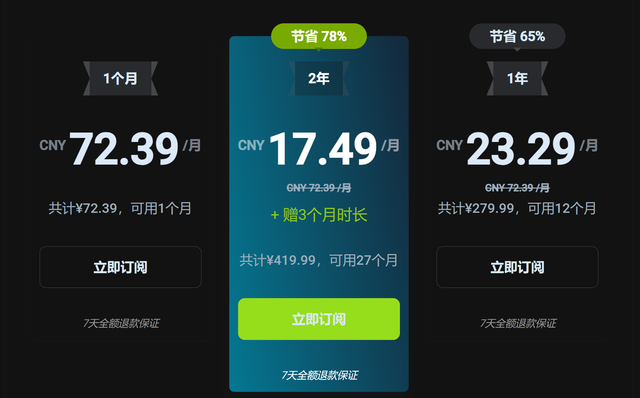
 ZoogVPN | Turn on manually Shadow | $2.49/mo | 27 months: $59.99 | Yes | 7 days | ✓ | ✓ | ✓ | ✓ | Official site blocked; our special link opens (4.4 s) | 4.2/5 (195 reviews) |
 ExpressVPN | ✓ On by default all servers | $3.00/mo | 28 months: $84 | No | 30 days | ✗ | ✗ | ✓ | ✗ | ✗ Blocked | 4.4/5 (29,706 reviews) |
 Surfshark | ✓ On by default Camouflage, with OpenVPN | See site | See site | No | 30 days | ✗ | ✗ | ✗ | ✓ | ✗ Blocked | 4.3/5 (31,823 reviews) |
 Proton VPN | Turn on manually Stealth, free plan too | $2.99/mo | 12 months: $35.88 | Yes | 30 days | ✗ | ✗ | ✗ | ✓ | ✗ Blocked | 2.1/5 (1,040 reviews) |
 Astrill VPN | Turn on manually StealthVPN / OpenWeb | $12.50/mo | 24 months: $300 | No | See site | ✗ | ✗ | ✗ | ✓ | ✗ Blocked | 1.3/5 (110 reviews) |
 Private Internet Access | Turn on manually Shadowsocks, OpenVPN only | $2.03/mo | 40 months: $81.2 | No | 30 days | ✗ | ✗ | ✗ | ✗ | ✗ Blocked | 4.2/5 (11,033 reviews) |
 CyberGhost | Turn on manually selected servers | $2.19/mo | 28 months: $61.32 | No | 45 days | ✗ | ✗ | ✗ | ✓ | ✗ Blocked | 4.0/5 (24,178 reviews) |
 PureVPN | Turn on manually switch to OpenVPN | $1.69/mo | 60 months: $101.55 | No | 31 days | ? | ? | ✗ | ✓ | ✗ Blocked | 4.4/5 (17,994 reviews) |
 AdGuard VPN | ✓ On by default TrustTunnel | $2.99/mo | 24 months: $71.76 | Yes | 30 days | ✓ | ✗ | ✓ | ✓ | Official site blocked; our special link opens (3.7 s) | 4.3/5 (290 reviews) |
 Mullvad | Turn on manually QUIC / Shadowsocks / LWO | $5.61/mo | €5/mo | No | 14 days | ✗ | ✗ | ✗ | ✓ | ✗ Blocked | 3.2/5 (192 reviews) |
 Windscribe | Turn on manually Stealth / WStunnel | $5.75/mo | 12 months: $69 | Yes | See site | ✗ | ✗ | ✗ | ✓ | ✗ Blocked | 4.7/5 (13,355 reviews) |
 StrongVPN | Turn on manually Scramble, OpenVPN TCP | See site | See site | No | 30 days | ✓ | ✗ | ✗ | ✗ | ✗ Blocked | 4.4/5 (2,695 reviews) |
 LightXtreme 闪连 | Not listed | $7.08/mo | 12 months: $84.99 | Yes | 30 days | ✓ | ✓ | ✓ | ✓ | ✓ Yes (3.5 s) | No page |
Prices checked 2026-11-10 on each vendor's pricing page (cheapest long plan, USD). Check the vendor's checkout for the final price.
Obfuscation checked 2026-11-14 on each vendor's site and help center: "on by default" = nothing to set; "turn on manually" = switch protocol or mode in settings; "not listed" = the vendor describes no obfuscation.
Payment methods checked 2026-11-10 on each vendor's payment pages: all 14 take cards and PayPal; ✗ = not listed, ? = the vendor's own pages disagree.
China access: whether the official website opens from mainland China networks (tests the website only, not the VPN connection). Last checked 2026-11-18 01:02 Beijing time.
Trustpilot score and review count checked 2026-11-10.