
My vpn keeps connecting automatically heres how to take back control: Stop Auto-Connect Issues, Fix Your VPN Settings, and Reclaim Privacy
My vpn keeps connecting automatically heres how to take back control — quick guide: auto-connect is convenient for security, but when it runs on its own at inopportune times, it can interrupt streaming, gaming, or work. In this post, you’ll get a comprehensive, SEO-friendly look at diagnosing why a VPN auto-connects, how to disable it, and how to ensure your connection stays where you want it. Below you’ll find practical steps, checklists, and real-world tips to keep your VPN under your thumb, not the other way around.


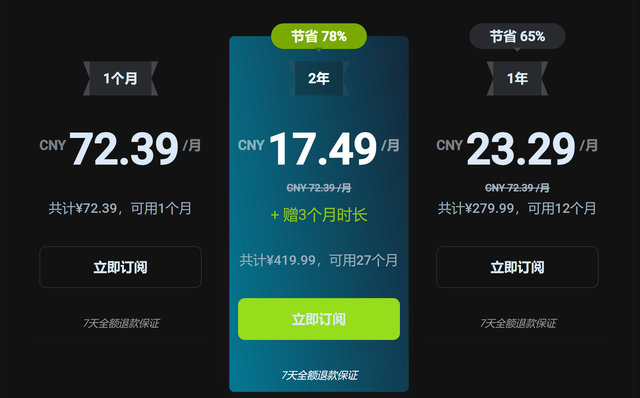

If you’re looking for a quick win, you can click through this trusted option that often helps users regain control: NordVPN — https://go.nordvpn.net/aff_c?offer_id=15&aff_id=132441. Use it as a starting point to compare features like auto-connect, kill switch, and split tunneling while you read through this guide.
Introduction: Quick facts and a practical starter pack Cyberghost vpn extension for edge your go to guide for a safer browser
- Quick fact: Auto-connect is designed to protect you, but you can turn it off and still stay secure.
- What you’ll learn in this guide:
- How auto-connect works and common triggers
- Step-by-step how to disable auto-connect on Windows, macOS, Android, and iOS
- How to verify your VPN isn’t leaking and how to enforce manual connection
- Tips to keep privacy intact while retaining control over your network
- A troubleshooting checklist and FAQ to cover edge cases
- Useful formats you’ll see: checklists, step-by-step guides, tables of settings, and a troubleshooting flowchart
- Useful resources text only: Apple Website - apple.com, Windows Support - support.microsoft.com, NordVPN Help - nordvpn.com/support, VPNLeakTest.com - vpnleaktest.com, Wikipedia – en.wikipedia.org/wiki/Virtual_private_network
Table of contents
- Why auto-connect happens
- How to disable auto-connect by platform
- Advanced controls and security considerations
- How to test your VPN status
- Troubleshooting common issues
- Real-world scenarios and quick fixes
- Frequently asked questions
Section 1: Why auto-connect happens Auto-connect is a feature designed to ensure you’re always protected, especially on untrusted networks. It can trigger for several reasons:
- App settings: The VPN client is set to auto-connect on startup or when you join new networks.
- System startup: The service launches as a background process when your device boots.
- Network change triggers: Switching Wi-Fi networks or reconnecting after a drop can re-enable auto-connect.
- Kill switch interactions: If the kill switch is enabled, the app might reconnect automatically to reestablish protection.
- VPN protocol tweaks: Some apps switch to a preferred protocol on certain networks and re-enable auto-connect as part of that process.
- Multiple profiles: If you use multiple VPN profiles, one profile might be set to auto-connect while others aren’t.
Section 2: How to disable auto-connect by platform
Windows
- Step 1: Open your VPN app and go to Settings.
- Step 2: Find Auto-Connect or Connect on Startup and toggle it off.
- Step 3: If there’s an option for “Always-on VPN” or “Start with Windows,” disable those as needed.
- Step 4: Check the Windows task scheduler for a VPN-related task that might launch on startup and disable it if appropriate.
- Step 5: Ensure the built-in Windows VPN client isn’t interfering. Go to Settings > Network & Internet > VPN and remove any profiles you don’t actively use.
- Step 1: Open the VPN app and go to Preferences.
- Step 2: Turn off Auto-Connect or Start on Login.
- Step 3: If you use macOS’s Network Preferences, delete any automatic VPN service that might reconnect on system resume.
- Step 4: Review Login Items in System Preferences > Users & Groups > Login Items, and remove the VPN app if it automatically launches.
- Step 5: Disable any “Always-on VPN” style features if the app offers them.
Android
- Step 1: Open the VPN app and navigate to Settings.
- Step 2: Disable Auto-connect, Start on Boot, or Always-on VPN.
- Step 3: If your device has a VPN app tied to a system service, go to Settings > Network & Internet > VPN, and ensure the VPN requires manual connection only.
- Step 4: Check battery optimization and background activity restrictions to prevent the app from staying ready to connect.
IOS
- Step 1: In the VPN app, disable Auto-connect or Always-on VPN, depending on the app’s terminology.
- Step 2: If you’re using iOS’s built-in VPN feature, ensure it isn’t set to connect automatically by reviewing Settings > General > VPN & Device Management.
- Step 3: Turn off any Lock Screen widgets that might trigger VPN initialization on wake.
Section 3: Advanced controls and security considerations
- Kill switch behavior:
- Decide whether you want a kill switch active only when the VPN drops, or always-on with a manual override. A strict kill switch protects your data if the VPN drops, but can feel annoying if it fires during a connection hiccup.
- Split tunneling:
- If you use split tunneling, ensure the apps you want to protect require VPN coverage, and that your auto-connect settings don’t override manual control in ways you don’t want.
- Startup texture:
- Some apps offer “Start on login” as separate from “Auto-connect on startup.” You can separate these so the app launches but doesn’t automatically connect.
- Network-level protections:
- Consider enabling DNS leak protection and IPv6 leak protection. Auto-connect can be less friendly if your DNS or IPv6 leaks expose your traffic during a failed connect.
- Device security posture:
- For devices in high-risk environments e.g., public Wi-Fi, shared devices, keeping auto-connect off by default and enabling a manual, deliberate connect can reduce unexpected network routing changes.
Section 4: How to test your VPN status
- Manual connection test:
- Disconnect from the VPN, then re-enable manually and verify the IP address changes using a reputable IP check site like ipinfo.io or whatismyipaddress.com.
- DNS leak test:
- With the VPN connected, visit dnsleaktest.com to ensure your DNS requests are routed through the VPN.
- WebRTC leak test:
- Use a browser-based WebRTC test to make sure IPv4/IPv6 leaks aren’t exposing your real IP.
- Kill switch verification:
- Simulate a VPN drop by turning off the server and watching for traffic to stop or to be blocked by the kill switch.
- Application leaks:
- Check your traffic with a packet capture tool if you’re comfortable, to confirm no traffic leaks outside the VPN tunnel when connected.
Section 5: Troubleshooting common issues The Ultimate Guide Best VPNs For China In 2026 Based On Real Reddit Talk: Top Picks, Safety, And Real-World Tips
- Issue: VPN keeps reconnecting after a drop
- Check for a flaky internet connection, update the client, and verify that auto-reconnect isn’t set up in a way that triggers after a brief disconnect.
- Issue: Auto-connect keeps starting on startup
- Disable startup apps and wake-on-LAN settings if applicable; ensure the VPN isn’t set to run as a service that starts with the OS.
- Issue: Random networks cause auto-connect
- Disable “auto-connect on any network” if your app has that setting; specify trusted networks only.
- Issue: Kill switch blocks legitimate apps
- Add trusted apps to a whitelist or adjust the kill switch to trigger only on VPN drop, not on app-switches.
- Issue: IP or DNS leaks despite manual connect
- Ensure the VPN supports DNS leak protection and IPv6 disablement if your network uses IPv6 by default.
- Issue: VPN app crashes when connecting
- Reinstall the app, clear cache, and check for conflicting VPN profiles in the OS.
- Issue: Battery drain when VPN auto-connects
- Some devices keep background processes alive longer; optimize background activity and review app power settings.
- Issue: Mac/VPN keeps disconnecting randomly
- Check for system-wide power saving modes, and verify you aren’t hitting a known compatibility issue with the macOS version.
- Issue: VPN doesn’t connect to a preferred server
- Try refreshing server lists, clearing DNS, and reselecting the server; check for known outages on the provider’s status page.
- Issue: Legal or policy concerns about auto-connect
- Make sure your use complies with local laws and your organization’s security policy if you’re on a managed device.
Section 6: Real-world scenarios and quick fixes
- Scenario A: You’re on public Wi-Fi and want to stay protected but not auto-connect when you don’t need it.
- Solution: Turn off auto-connect, keep manual control, and use the VPN only when you need it on public Wi-Fi.
- Scenario B: You game online and auto-connect interrupts your session.
- Solution: Disable startup auto-connect, set a preferred server, and use the app’s “test delay” option if available to avoid latency spikes.
- Scenario C: You work from home and your VPN auto-connects at boot.
- Solution: Separate “launch on login” from “auto-connect,” so the app loads but doesn’t connect automatically.
- Scenario D: You forget you enabled Always-on VPN and are surprised by connection behavior.
- Solution: Review your device’s VPN settings and set a clear manual process for connecting only when needed.
Section 7: Tips for staying secure without auto-connect
- Use trusted networks and verify your VPN is connected before sending sensitive data.
- Keep your VPN app and OS updated to reduce bugs that cause unexpected auto-connects.
- Regularly review app permissions and background activity settings.
- Consider a backup plan: you can enable a kill switch and two-factor authentication where available for extra protection.
- Document your preferred workflow: write down the exact steps you take to connect and disconnect so you don’t rely on auto-connect in error.
Section 8: Quick-start checklist
- Disable auto-connect on startup or login
- Turn off Always-on or on-wicid VPN features if present
- Confirm kill switch behavior matches your preference
- Verify DNS and IPv6 leak protection are enabled
- Run DNS leak, WebRTC, and IP tests with VPN connected
- Perform a live connect/disconnect test to ensure no unwanted auto-reconnects
- Keep a record of server preferences and manual connect steps
Frequently Asked Questions
What does auto-connect in a VPN do?
Auto-connect automatically connects your device to a VPN when you boot up or join a new network, intended to keep you protected without manual intervention. The Ultimate Guide Best VPNs for Your UniFi Network 2026 Edition: Top Choices, Setup Tips, and Real-World Performance
How do I stop my VPN from auto-connecting on startup?
Find the startup or auto-connect option in your VPN app’s settings and toggle it off. If there’s a separate “start on login” setting, you can leave that on while disabling auto-connect to a network.
Is auto-connect always a good idea?
Auto-connect is convenient for security on public networks, but it can be annoying if you’re gaming, streaming, or testing network conditions. It’s worth having the option off by default and enabling it only when you need protection.
Can I still stay secure without auto-connect?
Yes. Use the VPN manually when you’re on untrusted networks, ensure DNS leaks are blocked, and enable a kill switch to protect even if the VPN drops.
How can I test for DNS leaks?
With the VPN connected, go to dnsleaktest.com and run the basic or extended test to confirm your DNS requests are going through the VPN.
What is a kill switch in a VPN?
A kill switch stops all traffic if the VPN connection drops, preventing data from leaking outside the encrypted tunnel. Comment activer le reseau securise vpn gratuit de microsoft edge et d'autres options VPN fiables
How do I fix VPN disconnects?
Update the app, restart the device, check your internet connection, and verify there are no conflicting VPN profiles. If the problem persists, contact your provider’s support.
Can I use split tunneling with auto-connect off?
Yes. Split tunneling lets you choose which apps go through the VPN. With auto-connect off, you control when the VPN is used for those apps.
What if I have multiple VPN profiles?
Disable auto-connect on each profile and manage connections manually. If needed, remove unused profiles to reduce confusion.
How do I ensure I don’t leak IPs when reconnecting?
Always test for IP, DNS, and WebRTC leaks after connecting. Ensure your VPN has a robust kill switch and DNS leak protection enabled.
Appendix: Resources and references How to Disable NordVPNs Password Manager NordPass: Quick Guide, Alternatives, and Security Tips
- Official VPN help guides and FAQs: nordvpn.com/support, expressvpn.com/support, surfshark.com/support
- IP address and DNS test tools: ipinfo.io, whatismyipaddress.com, dnsleaktest.com
- Device-specific setup guides: support.microsoft.com, support.apple.com, support.google.com
- Privacy and security articles: en.wikipedia.org/wiki/Virtual_private_network, nist.gov
Final note If you’re ready to take back control today, start by turning off auto-connect on your primary device and rebalancing how you connect across platforms. You’ll regain the ability to manage when and where your traffic goes, without sacrificing privacy or security. And if you’re exploring a robust option that makes this balance easier, consider the NordVPN link provided earlier as a starting point for feature comparisons and user experiences.
Sources:
Understanding nordvpn plans in 2026 which one is right for you
Telegram加群次数:你必须知道的群组和频道加入上限与限制
Yamaha rtx ⭐ vpn 設定例:拠点間・リモートアクセスを初心者でも分かる実践ガイド Unifi vpn connected but no internet your ultimate fix guide
Proxychains windows:强制程序走代理的终极指南:在 Windows 上实现 Proxychains-ng 的完整教程、WSL 与 MSYS2 方案、与 VPN 的整合