Unpacking Mysterium VPN price what you really pay for decentralized privacy: a quick fact first—Mysterium’s pricing centers on decentralized VPN dVPN credits and network access, with per‑use or subscription options that reflect bandwidth, nodes, and usage. This guide breaks down what you actually pay, how it compares to traditional VPNs, and what you should consider before buying.

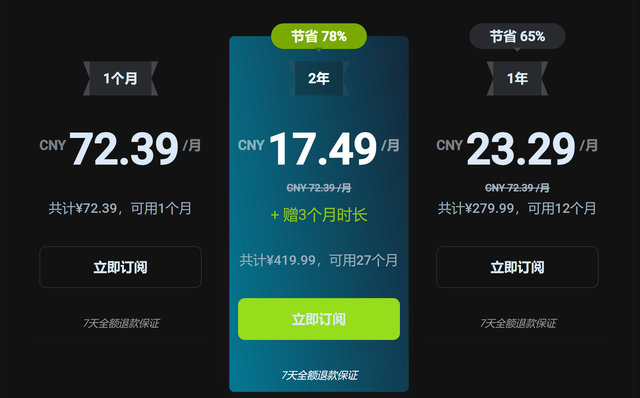

- What you’ll get: access to a decentralized network powered by participant nodes, pay‑as‑you‑go credits, and optional subscription models for stable usage.
- Why it matters: decentralized privacy aims to reduce single‑vendor risk, but pricing can be opaque if you don’t know how credits are consumed.
- Who it’s for: privacy enthusiasts who want to support a distributed network, developers testing dVPN apps, and users who want alternatives to centralized VPNs.
Introduction: quick facts and a practical guide Quick fact: Mysterium blends decentralized network principles with VPN functionality, pricing based on credits and bandwidth usage rather than a flat monthly fee. This structure can be cost‑effective for intermittent users, but it can also surprise non‑technical buyers if you don’t track credits carefully. In this guide, you’ll find:
- A plain‑language breakdown of the pricing model
- A comparison with traditional VPN pricing and what you’re paying for beyond the brand
- Practical steps to estimate costs for your typical usage
- Real‑world tips to maximize value and minimize waste
- A visual and data‑driven look at network performance and reliability
- A curated set of resources to stay updated on changes
Useful URLs and Resources text only, not clickable Mysterium Network official site - mysterium.network Mysterium price page - mysterium.network/pricing Mysterium GitHub - github.com/MysteriumNetwork NordVPN official site - nordvpn.com ExpressVPN official site - expressvpn.com Privacy.org - privacy.org EFF – Tor and privacy resources - eff.org Wikipedia – Decentralized VPN - en.wikipedia.org/wiki/Decentralized_VPN DVPN market overview – newzoo.com/dvpn-market VPN comparison guides – vpnmentor.com/blog
Understanding the pricing model: credits, nodes, and usage
Mysterium’s decentralized VPN model operates on a credits system rather than a straightforward monthly plan. Here are the core components you’ll encounter:
- Credits: The basic unit of cost. You purchase credits often via cryptocurrency or fiat options, depending on the platform’s current setup and spend them as you route traffic through Mysterium’s network.
- Node usage: Your traffic is routed through user‑run nodes across multiple countries. The more nodes your traffic touches, the more credits you spend, which can affect latency and price.
- Bandwidth and duration: Pricing scales with the amount of data transferred and the time a session remains active. Heavier usage translates into higher credit consumption.
- Network fees or tips: Some implementations include optional tips or fees to incentivize node operators. These can affect the total cost, especially if you want higher performance or reliability.
To visualize, think of it like a ride‑sharing model rather than a flat monthly pass: you pay for miles driven and the vehicles that carry you, with a few platform‑specific tweaks. This can be great if you’re a light user, but heavy users will want to estimate monthly costs carefully.
How to estimate your monthly cost
When you’re estimating costs, it helps to break down typical usage into simple blocks:
- Daily light usage browsing, occasional streaming: 0.5–1 GB/day
- Moderate usage video conferencing, occasional streaming in HD: 2–5 GB/day
- Heavy usage HD streaming, large file transfers, gaming, frequent backups: 10+ GB/day
Pricing calculator approach:
- Determine your average daily data consumption in GB
- Multiply by the price per GB on the Mysterium credits system check current rates
- Add estimated node routing multipliers some routes may pass through multiple nodes
- Consider any fixed fees if applicable and potential tips
Example: Nordvpn e un antivirus la verita svelata e come proteggersi davvero online
- 2 GB/day, at roughly X credits per GB
- Result: a monthly estimate in credits, which converts to your preferred payment currency
Tip: If you’re new to dVPNs, start with a smaller credit pack to test performance, latency, and reliability before committing to a larger spend.
Comparing with traditional VPN pricing
Traditional VPNs typically offer:
- Flat monthly or yearly subscription
- Unified bandwidth caps and consistent performance
- Predictable pricing with limited variability
Mysterium’s model offers:
- Potentially lower costs for light users
- Greater privacy via decentralization less single point of failure
- Variable costs based on actual usage and network conditions
Strengths of Mysterium pricing:
- Pay for what you use, not what you think you’ll use
- Encourages efficient routing and bandwidth use
- Supports a decentralized privacy ecosystem
Potential downsides: Adguard vpn on reddit what real users are really saying
- Price volatility based on credits
- Latency and performance can vary with node availability
- More complexity in understanding costs than a simple monthly plan
What you’re paying for beyond the price tag
When you buy into Mysterium, you’re not just paying for “access” in a vacuum. Here’s what your money covers:
- Decentralized trust model: You’re contributing to and consuming from a network without a central gatekeeper, which reduces single‑vendor risk.
- Node operator incentives: Credit models help compensate volunteers running nodes, encouraging more robust coverage and faster routes.
- Privacy and control: Users can select specific nodes or regions for routing, which can affect both privacy and performance.
- Innovation and ecosystem growth: Revenue supports ongoing development, community projects, and potential integrations with other privacy tools.
Understanding the cost structure helps you decide whether decentralized privacy aligns with your needs and budget.
Performance, reliability, and real‑world data
Data and user reports show that dVPNs like Mysterium can offer:
- Diverse geographies: A broad set of node locations across continents, which can improve access to region‑specific content where legal.
- Variable latency: Depending on route length and node health, latency can increase compared to centralized VPNs, especially during peak times.
- Credit responsiveness: Some users report smoother pricing and billing after initial setup once usage patterns stabilize.
For users prioritizing privacy over raw speed, Mysterium’s decentralized approach often provides acceptable performance with the tradeoff of some variability. If you’re streaming or gaming, test with a small plan first and monitor latency via speed tests and ping measurements.
Security considerations and privacy tradeoffs
- Decentralization reduces single points of failure, but it also introduces reliance on a broader set of node operators. Trust is distributed, not eliminated.
- End‑to‑end encryption remains essential; ensure your devices and apps are configured to minimize leaks DNS, WebRTC, etc..
- If you’re a target of high‑risk surveillance, understand the jurisdiction and policies of the node operators you prefer. Geography and local laws can influence privacy outcomes.
- Critical data transfer may benefit from additional protections multi‑hop routes, enhanced encryption, or combining with other privacy tools.
User experience: setup, onboarding, and daily use
Getting started with Mysterium is typically straightforward, but there are a few best practices to maximize value: O navegador microsoft edge para mobile tem vpn integrada: Descubra tudo sobre VPN no Edge Mobile e como usar
- Install the Mysterium client and create an account or wallet suitable for credits
- Purchase a starter credits pack to explore the network
- Choose node preferences region, latency targets to optimize speed and privacy
- Run periodic tests: speed tests, DNS leak checks, and WebRTC leak tests
- Monitor credit balance and export usage history for budgeting
Common onboarding tips:
- Start with a regional node close to your location to minimize latency
- Prefer reputable or highly-rated nodes when options are available
- Keep your software up to date to ensure security and compatibility
Use cases: who benefits most from Mysterium’s price model
- Casual privacy enthusiasts: Low monthly spend with occasional privacy boosts
- Developers and researchers: Pay only for test traffic and experiments
- Privacy advocates: Participate in a decentralized network to support a broader privacy ecosystem
- Content creators in restricted regions: Access to diverse nodes for potential content distribution avenues
Potential pitfalls and how to avoid them
- Price surprise: Track credits consumption actively, especially if you’re new to the model
- Variable performance: Maintain a backup plan with a traditional VPN for critical tasks
- Node quality variation: Prefer nodes with positive operator ratings and longer uptime histories
- Legal considerations: Ensure your use complies with local laws and service terms
Practical tips to maximize value
- Set daily/weekly usage goals and monitor credits weekly
- Use nodes in regions that minimize latencies for your typical activities
- Combine Mysterium with browser privacy hygiene ad/tracking blockers, anti‑fingerprinting
- Leverage bundled credits or promotions when available
- Participate in the community to learn about node performance and best practices
Real‑world comparisons: case studies and scenarios
Case A: Light user
- Daily usage: 0.8 GB
- Credits spent per day: low
- Monthly cost: modest, potentially cheaper than some flat‑rate VPNs if credits stay stable
Case B: Moderate user
- Daily usage: 3–4 GB
- Credits spent per day: medium
- Monthly cost: comparable to mid‑range centralized VPN plans, with added privacy benefits
Case C: Proactive privacy user
- Frequent use across multiple regions
- Credits spent: high
- Monthly cost: higher, but you gain stronger decentralization and regional routing flexibility
FAQ section
How is Mysterium’s price calculated?
Mysterium uses a credit-based system where you pay for data transferred and the number of node hops involved in routing your traffic. Prices vary by region, node reliability, and network demand. Microsoft edge vpn en qr codes wat je moet weten en hoe ze verschillen: Vergelijking, tips en praktijkscenario's
Do I need crypto to buy credits?
Often yes, since the platform uses a credits model, but check current payment options on the official site. Some updates may allow fiat or other payment methods.
Is decentralized privacy safer than a traditional VPN?
Decentralized privacy reduces reliance on a single provider, which lowers centralized tracking risk. It doesn’t automatically guarantee complete safety; you still need to use best practices like strong encryption and leak protection.
Can I combine Mysterium with other privacy tools?
Yes, many users pair dVPNs with privacy extensions, secure messaging, and encrypted storage to create layered protection.
How do I reduce costs on Mysterium?
Choose low‑latency regional nodes, monitor usage, and take advantage of any credits promotions. Avoid unnecessary data transfers through the network.
What factors influence latency on Mysterium?
Latency depends on node distance, the number of hops, node health, and current network load. Closer regional nodes usually yield lower latency. Atlas vpn sul chrome web store la tua guida completa per sicurezza e privacy
Are there hidden fees I should know about?
Read the latest pricing page carefully; some networks include small routing fees or tips to node operators that could adjust the total cost.
How does Mysterium handle DNS leaks and WebRTC leaks?
Ensure you enable DNS leak protection in the client and adjust browser settings or extensions to minimize WebRTC leaks.
What’s the best way to test performance before committing?
Run short trials across multiple days, test latency to your usual destinations, and compare speeds with a traditional VPN for a balanced view.
Can I use Mysterium for streaming or gaming?
Yes, but performance can fluctuate. Test multiple nodes and regions to find a setup that gives acceptable latency and stability for your needs.
How do I stay updated on price changes?
Follow the Mysterium official channels and community forums for price adjustments, new nodes, and promotions. Surfshark vpn price breaking down the costs: a clear guide to pricing, plans, and value
Final thoughts: is Mysterium worth it for decentralized privacy?
If your priority is reducing reliance on a single provider and you’re comfortable with a variable pricing model based on credits, Mysterium offers a compelling decentralized alternative. It’s especially appealing for users who want to participate in a distributed privacy ecosystem, experiment with node routing, or avoid traditional subscription lock‑ins. On the other hand, if you need predictable monthly costs, consistent high speed, and minimal setup complexity, a traditional VPN might still be preferable.
Remember, the best privacy strategy is layered. Consider pairing decentralized privacy tools with strong device security, safe browsing practices, and regular privacy audits to keep your online footprint as small as possible.
Frequently Asked Questions
- How do I start with Mysterium?
- What payment methods are supported for credits?
- How do I choose which node to use?
- Can I rely on Mysterium for everyday privacy?
- Does Mysterium work on mobile devices?
- How do I troubleshoot slow speeds?
- What is the maximum data rate supported?
- Are there family or business plans for Mysterium?
- How does node reliability affect pricing?
- Where can I learn more about decentralized privacy beyond Mysterium?
Sources:
Clash 机场推荐:VPN 机场搭配、速度測試與安全策略一網打盡
Clash配置订阅链接:新手快速上手指南与节点管理技巧,以及 Clash 规则与节点订阅更新策略的完整教程 Expressvpn not working in china heres your ultimate fix: fast, proven fixes for a China VPN
Vpn 梯子網站|VPN 梯子網站與快速上手指南
Edge add site to ie mode
How to Login to Windows Server from Mac Step by Step Guide: RDP, SSH, VPN Access 2026